
A broken tire, overdue utility bill, or gap before payday can make a fast loan offer look like the only thing that matters. That pressure is exactly what scammers count on. Knowing how to avoid payday scams lets you look for quick cash without handing over money or personal information to the wrong person.
A legitimate short-term loan can be expensive, and it may not be the right answer for every situation. But high fees alone do not automatically mean fraud. The real warning signs are requests for upfront payment, vague terms, fake urgency, and a lender that cannot prove who it is.
How to Avoid Payday Scams When You Need Cash Fast
Start by slowing the process down just enough to verify the offer. A real lender should be able to clearly tell you its legal business name, contact information, loan amount, total cost, repayment date, and the rules that apply where you live. If those basics are missing, do not submit an application.
In Canada, payday lending rules and licensing requirements can vary by province. Check whether the company is authorized to offer the type of loan it advertises in your province. A legitimate business should not dodge direct questions about its license, fees, or loan agreement.
Be especially careful with ads that promise “guaranteed approval” without reviewing any information. Many legitimate lenders offer accessible options for people with less-than-perfect credit, but no responsible lender can honestly guarantee an approval before reviewing an application. That phrase is often used to pull in borrowers who are under financial pressure.
Never Pay a Fee Before Receiving Your Loan
The clearest payday loan scam is an advance-fee request. The scammer says you are approved, then asks you to send money before the funds can be released. They may call it a processing charge, insurance fee, deposit, credit repair fee, or tax.
Do not pay it. Legitimate loan costs should be disclosed in your agreement and handled as part of the loan arrangement, not collected through an unexpected e-transfer, gift card, cryptocurrency payment, wire transfer, or prepaid card before you receive the money.
Scammers often add pressure after the first request. They may claim your approval will expire in an hour or say an extra payment is needed because of a credit issue. Stop communicating if the company keeps changing the amount required to release your loan. Sending more money will not make the funds appear.
Check the Lender, Not Just the Website
A polished website, a professional logo, and positive-looking reviews do not prove that a lender is real. Scam sites can copy the branding, addresses, and legal language of legitimate companies. Verify details independently instead of relying only on what appears in an ad or text message.
Look closely at the company name, phone number, email address, and physical address. Search for the exact business name along with words such as “complaint,” “scam,” or “fraud.” Small differences matter. A scammer may use a company name that is one letter away from a real lender or send messages from a free email account that does not match the business name.
Read the loan terms before you share sensitive information. You should be able to see the borrowing amount, repayment schedule, total cost of borrowing, late-payment consequences, and any optional products. If the site pushes you to enter your banking details before showing the terms, move on.
Some websites, including financial information and referral platforms, are not direct lenders. That is not automatically a problem. The key is clear disclosure. You should know whether you are dealing with a lender, a broker, or a site that may connect you with third-party providers. If a company hides that relationship or will not explain who will review your application, treat it as a warning sign.
Protect Your Banking and Identity Details
A lender may need personal and financial information to assess an application. A scammer wants the same information for a different reason: to access your accounts, open credit in your name, or sell your data.
Only provide details through a secure application process after you have verified the company. Avoid sending copies of your ID, bank login credentials, debit card PIN, or one-time security codes through text, social media, or email. No legitimate lender should need your online banking password or a code sent by your bank to confirm a loan application.
Use extra caution when an offer arrives unexpectedly. A text that says you are pre-approved for $1,500 may feel timely, but it can be a phishing attempt. Do not click the link in the message. Find the company independently and use its verified contact details to ask whether the offer is real.
Also watch for spoofed calls. A scammer can make a phone number look local or make it appear that a trusted company is calling. Instead of continuing the call, hang up and contact the business using the number you found through an independent search.
Watch for Pressure, Threats, and Impossible Promises
A legitimate lender may have a time-sensitive offer, but it should still give you a chance to read the agreement. Scammers want you to act before you think. They may say there is only one loan spot left, claim that your employer needs immediate verification, or insist you must pay within minutes.
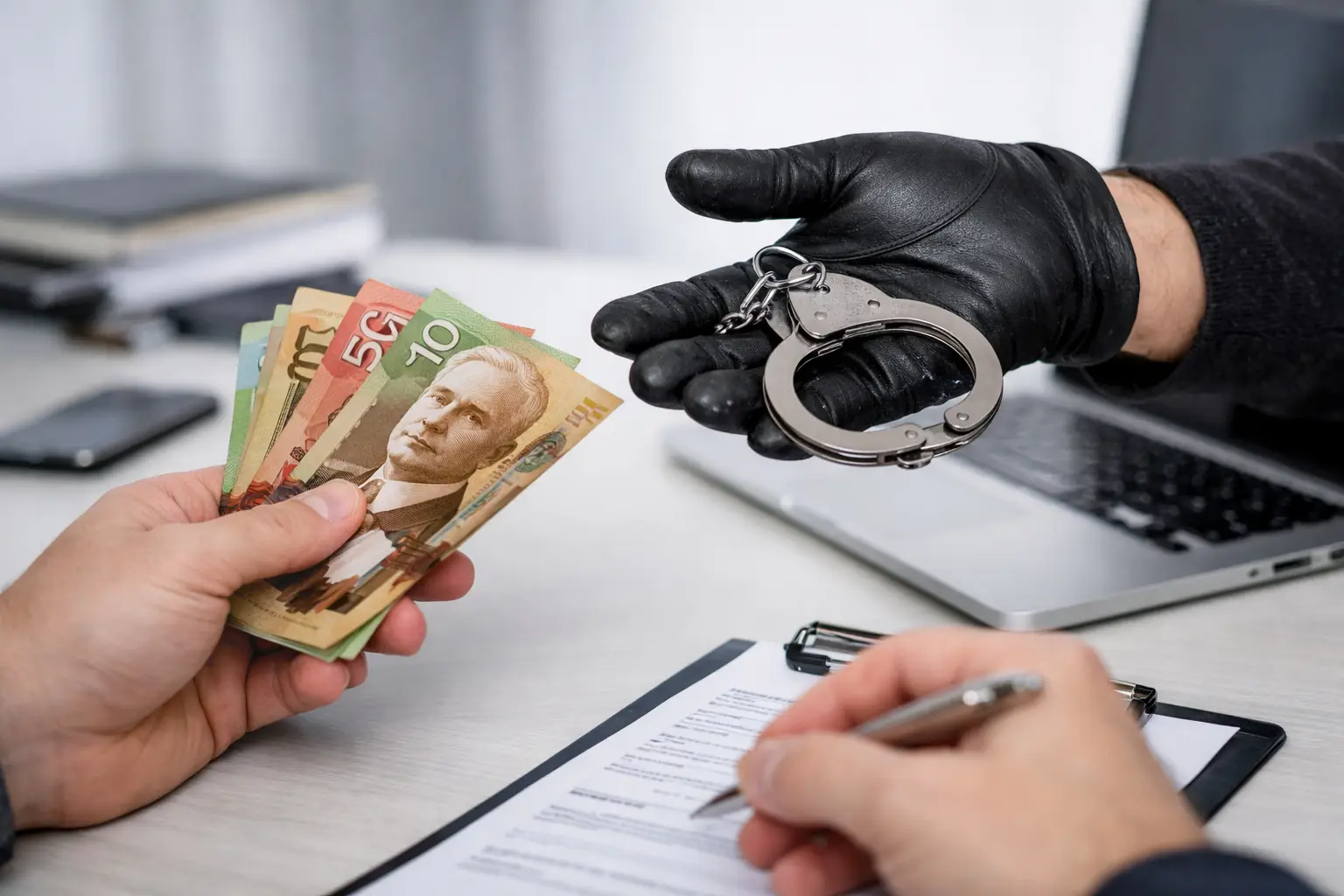
Threats are an even bigger red flag. No real lender should demand payment by gift card or cryptocurrency while threatening arrest, deportation, job loss, or police action. If someone contacts you about a debt you do not recognize, do not confirm your date of birth, bank account, or other personal details. Ask for written documentation and verify the company before discussing anything further.
Be cautious with claims that a loan can fix every problem. A payday loan is generally designed for a short-term cash gap, not long-term debt. If repayment would leave you unable to cover rent, food, transportation, or the next bill, consider whether another option may reduce the risk of a cycle of borrowing. Depending on your situation, a payment arrangement with a bill provider, a credit union option, or help from a local community service may be safer.
Compare the Full Cost Before You Accept
Fast approval matters when an expense cannot wait, but the total repayment matters just as much. Before accepting a loan, make sure you can answer three questions: How much will I receive? How much will I repay? What date is the repayment due?
Do not rely on a low weekly payment or a vague statement such as “fees may apply.” Get the actual numbers. A legitimate provider should present the cost clearly enough for you to compare it with other available options. If the agreement is hard to read, the fees are buried, or the repayment date keeps changing, do not proceed.
Take a screenshot or save a copy of the terms you were shown. This gives you a record of the offer and can help if the final agreement does not match what was advertised. Read the final document before accepting it, even if you have already been approved.
What to Do If You Think You Found a Scam
Stop sending money and stop sharing information. Save the texts, emails, screenshots, payment receipts, phone numbers, and loan documents. Then contact your bank or financial institution right away if you shared account details, sent a payment, or gave a scammer access to a security code. Quick action may help limit further loss.
Change passwords for accounts connected to the information you shared, especially your email and online banking. Monitor your bank activity and credit file for unfamiliar transactions or accounts. Report the incident to the appropriate consumer protection or fraud reporting agency in your area, and notify the real company if scammers copied its name.
Needing money quickly should not force you to accept secrecy, pressure, or confusing terms. A trustworthy loan option will give you clear costs, identifiable contacts, and time to make an informed decision. If an offer fails that basic test, walking away can be the fastest way to protect your money.